

 RESULTS FROM THE PUKE BAROMETER
 RESULTS FROM THE PUKE BAROMETER
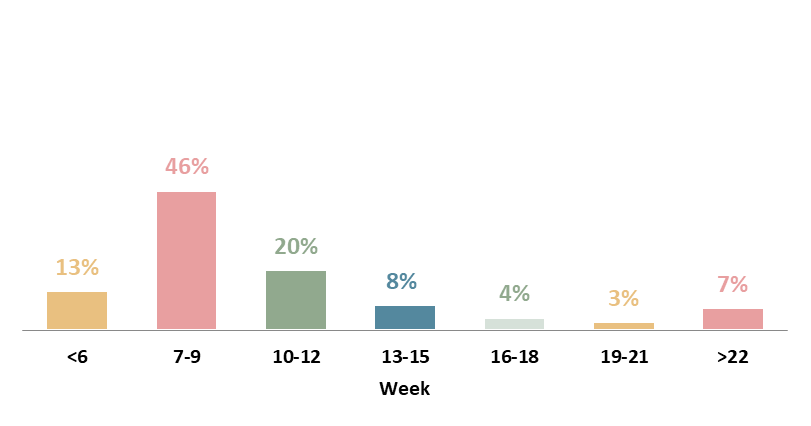
1. How far along are you in your pregnancy?
About half of those who took part and answered our questions were in weeks 7-9 of pregnancy. Nausea in pregnancy often begins between the fourth and tenth week and usually decreases between weeks 12 and 15. However, some experience symptoms for a longer period, and a few have them throughout their entire pregnancy.
Number of answers: 14,381
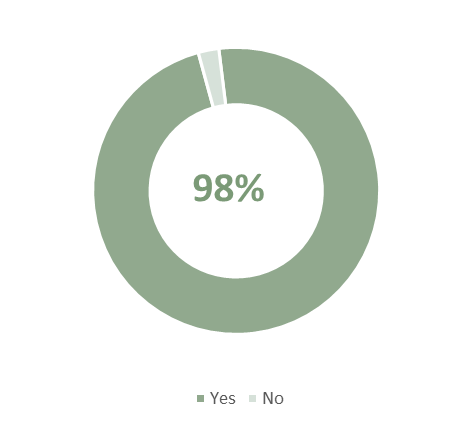
2. Have you experienced pregnancy-related nausea?
98% of the participants in the Puke Barometer have experienced nausea during pregnancy. It is usually said that up to 8 out of 10 pregnant women suffer from nausea in pregnancy. The higher figure here is because a very large proportion of visitors to this site are pregnant women who are experiencing nausea and looking for information about their symptoms. If you want help and advice about what you can do to ease your nausea, click here.
Number of answers: 14,724
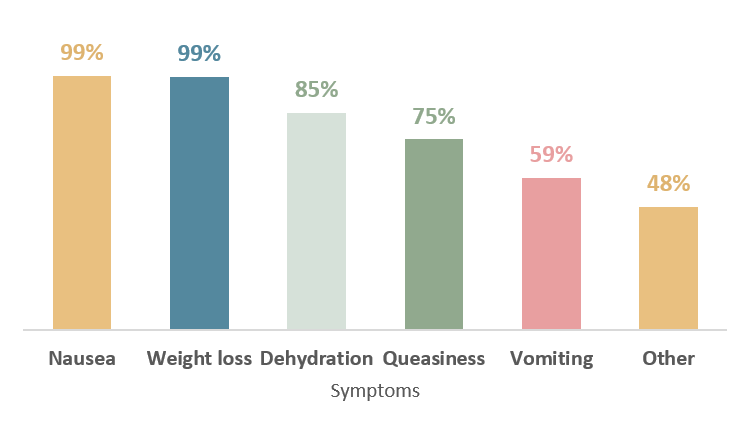
3. What symptoms have you experienced?
These are the most common symptoms presented to the Puke Barometer (you can have more than one symptom).
Did you know pregnancy-related nausea can be graded using the PUQE score? By clicking here, you can fill out the form and see how severe your nausea is considered to be. If you want, you can print your results and bring them with you when you see your health care provider.
Number of answers: 14,377
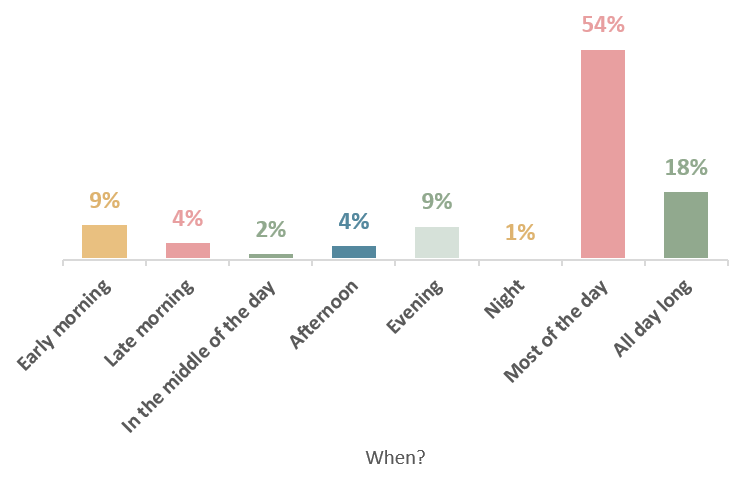
4. What time of day do you experience the most symptoms?
72% of the pregnant women who answered the survey reported experiencing symptoms during most of the day or throughout the entire day.
The idea of “morning sickness” is therefore highly inaccurate! It simply varies from person to person how severe the nausea is and at what time of day the symptoms are experienced as being at their worst
Read more about what you can do to alleviate your symptoms here
Number of answers: 14,349
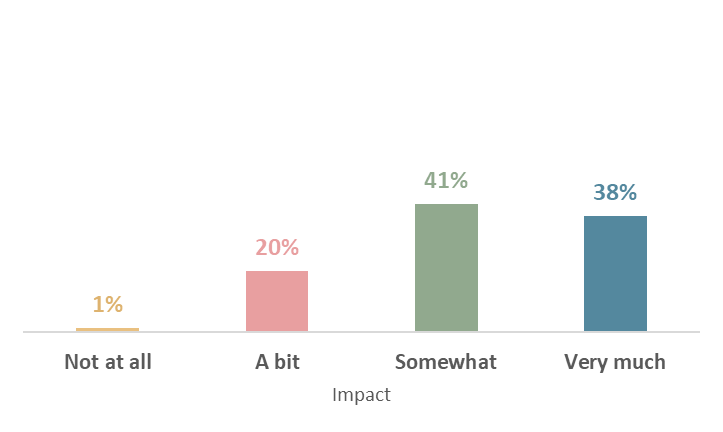
5. Has the nausea affected your everyday life?
79% say that pregnancy nausea has affected their daily life somewhat or very much, and that’s not surprising. If you constantly feel sick, or even vomit every other day, it can of course affect your relationship, work and school.
By filling in the PUQE-test you can see how severe your nausea is considered to be. If you want, you can print your results and bring them with you when you see your health care provider.
Number of answers: 14,300
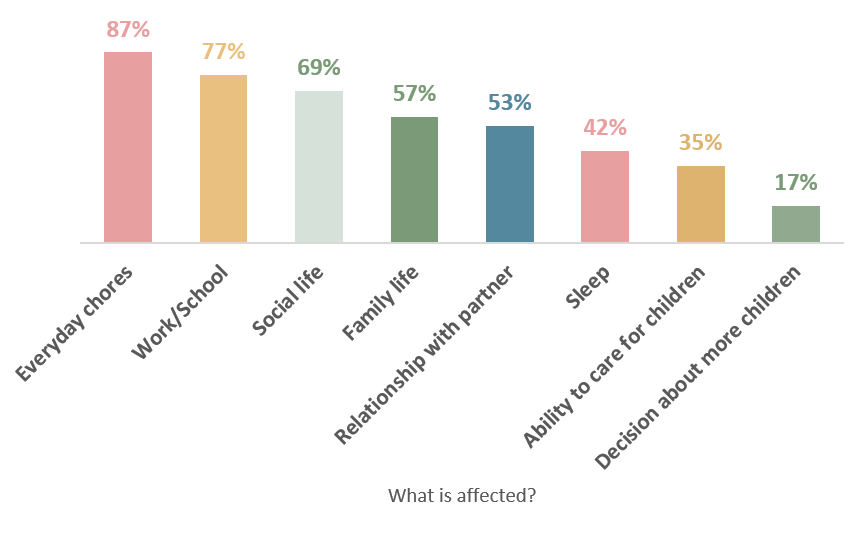
6. How has your everyday life been affected?
When you’re pregnant, everyday life is of course affected, but what part of life is affected the most? 87% say that daily activities are impacted the most, closely followed by school/work and social life.
In addition, as many as 17% say that pregnancy-related nausea influences their decision about whether to grow their family in the future. These responses show that pregnancy-related nausea should be taken seriously, and that it’s well worth trying to relieve the symptoms.
Number of answers: 14,110
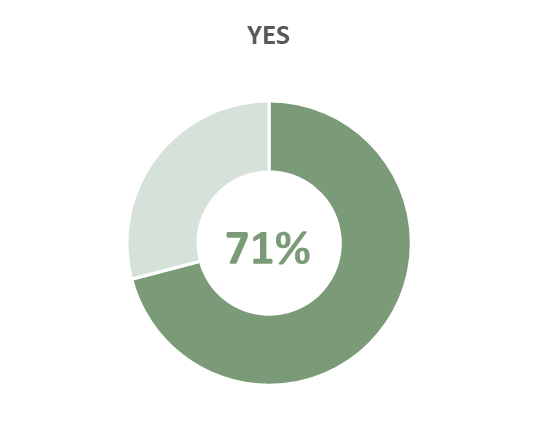
7. Has it caused you to be absent from school or work?
71% of those who responded said they have had to stay home from school or work due to their nausea. This is a big cost both to the individual and to society as a whole.
Number of answers: 10,752
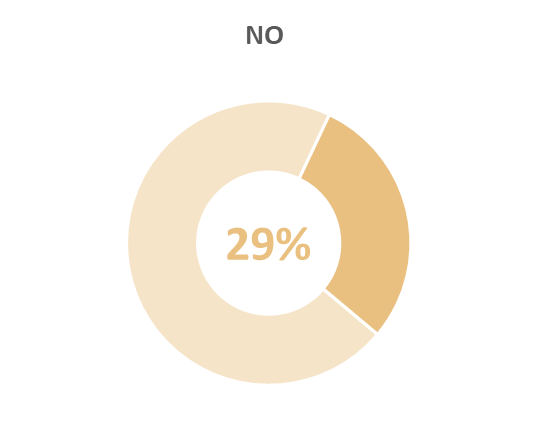
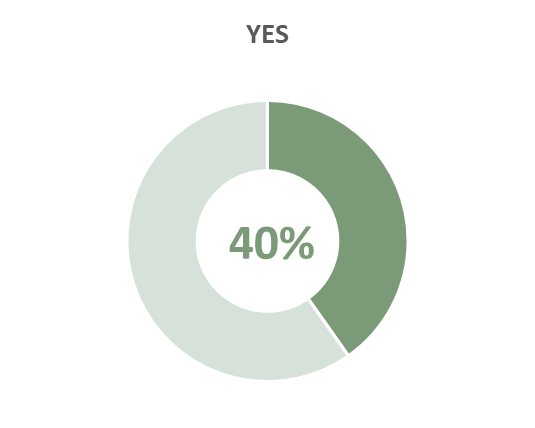
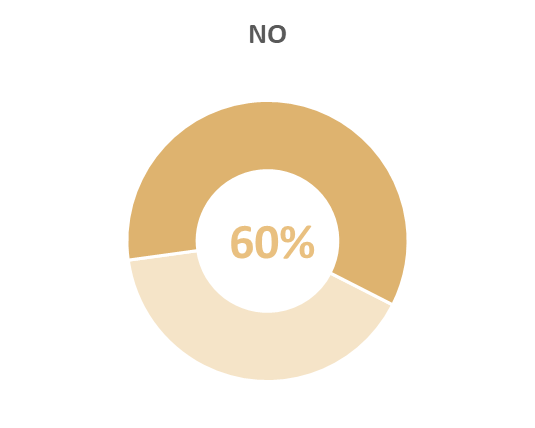
8. Has your absence affected your finances?
40% of the pregnant women who responded to the questions say that their finances have suffered as a result of having to stay home from work due to pregnancy-related nausea.
Number of answers: 7,281
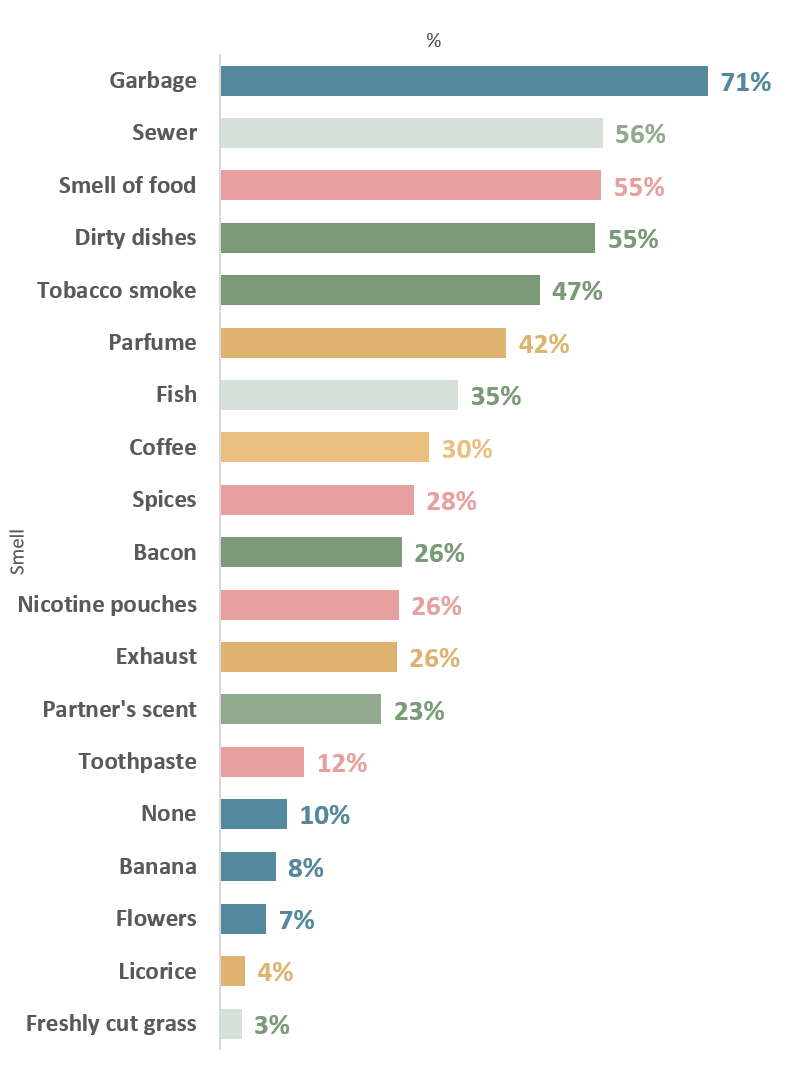
9. Which smells or scents are you especially sensitive to during pregnancy?
71% of pregnant women are most sensitive to the smell of garbage. The second most common trigger is the smell of sewer. Half of the participants are sensitive to the smell of dirty dishes.
In addition, 23% of pregnant women are sensitive to their partner’s scent.
Number of answers: 13,714