


We take your concerns about pregnancy-related nausea seriously
Have you been told nausea and vomiting is part of the process when pregnant? Even if that’s the case, it can be hard to hear when you’re struggling daily with nausea. To lean more about the experiences pregnant people have we created the Vomit Barometer, where we ask expectant mothers about nausea and how it affects everyday life.
The Vomit Barometer asks the questions, pregnant women give their responses
Sometimes it may feel like your concerns and symptoms are not being taken seriously. This is something pregnancynausea.se aim to change. We listen, and try to get a fair picture of what pregnant women are experiencing. The Vomit Barometer is a survey compiling statistics from pregnant women in the Nordic countries.
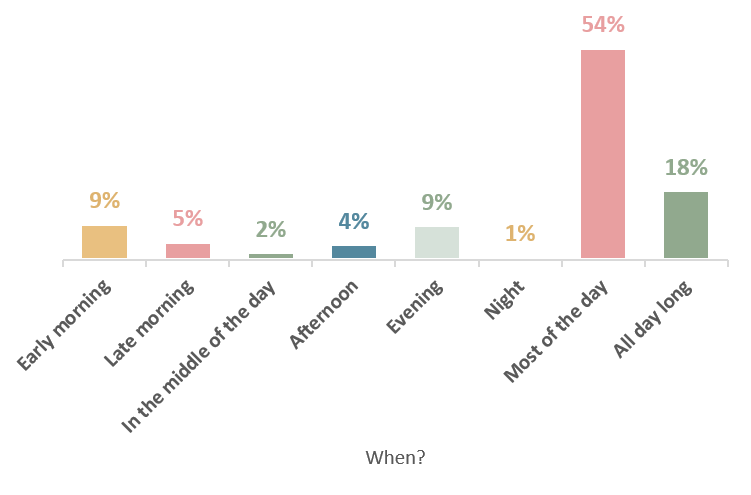
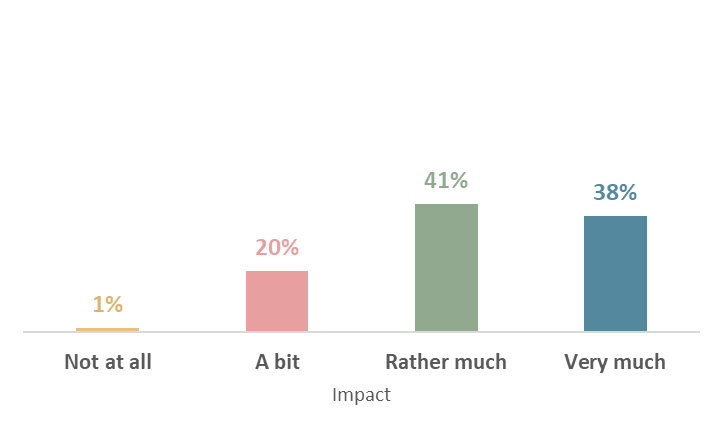
The answers collected thus far shows that many experience nausea throughout the day. This shows that the idea of “morning sickness” is a truth with modification. Some of the questions in the survey concerns how the nausea affects everyday life. As many as 8 out of 10 answers show that their everyday life has been affected rather or very much.
When have your problems been the worst?
Has your pregnancy nausea affected your everyday life?
Another question we’ve asked is whether or not you’ve had to stay home from school or work due to the nausea. About 7 out of 10 state that they’ve stayed home. For many, this absence can out a strain on your finances during pregnancy.
See the results from our ongoing web survey
Many wonder if it’s usual to feel nauseous when pregnant
And the fact is that yes, it’s very common to experience pregnancy-related nausea. Up to 80% of pregnant women report experiencing nausea in the beginning of pregnancy. In addition, many struggle with nausea throughout the day. This may be hard to cope with, but there are a fair few tricks to try and ease your symptoms.
Ways to ease the nausea
- Avoid foods and smells that make you nauseous
- Try eating something bland like crackers or toast before getting out of bed in the morning
- Avoid spicy or fatty foods
- Cold foods usually fare better than warm meals
- Eat small, frequent meals. Preferably with carbs such as bread, rice or pasta
- Hydrate, preferably small but frequent sips
- Limit your caffeine intake
- Make sure you get some fresh air. Try going for a walk
- Rest and avoid stress
Find more advice on how to alleviate the nausea
Does it seem like nothing is quite helpful?
When nothing seems to help, and the nausea doesn’t pass, you can talk to your healthcare provider. There is prescription drugs to treat pregnany-related nausea. Your healthcare provider can asses what may be suitable for you. They can also put you on sick-leave if there is a need.
Rate your nausea with the PUQE-score
The PUQE-score is a simple test that tells you if your symptoms are considered mild, moderate or severe. No matter what your results are, there’s always help to recieve. Don’t hesitate to consult your healthcare provider about your concerns. By understanding your nausea it can be easier to adapt your everyday life in a way that works for you.